
Natural Support for Men's Daily Wellbeing
Educational information about natural supplements, vitamins, and lifestyle approaches for energy, confidence, and balance
Learn more about digital wellness literacy
Understanding how your body works is the first step toward making informed decisions about your wellbeing. Men today are increasingly interested in natural approaches to support their daily energy, mental clarity, and overall comfort.
Natural supplements are dietary products derived from plants, minerals, and other natural sources. They are designed to complement a balanced lifestyle, not replace healthy habits. When used responsibly and as part of a broader wellness approach, they may contribute to your daily nutritional intake.
The key is education and awareness. Learning about different nutrients, understanding your body's signals, and making conscious choices about what you consume are all part of a responsible approach to personal wellbeing.

Natural supplements are concentrated sources of nutrients or other substances with nutritional or physiological effects. They come in various forms including capsules, tablets, powders, and liquids.
These products work by providing your body with specific nutrients that might be missing from your regular diet. For example, if you don't consume enough leafy greens, a supplement might help fill that nutritional gap. If you work long hours and feel mentally tired, certain B vitamins might support your energy metabolism.
It's important to understand that supplements are not magic solutions. They work best when combined with adequate sleep, regular physical activity, stress management, and a balanced diet. Think of them as one tool among many in your wellness toolkit.
Different supplements have different mechanisms. Some provide building blocks your body needs, others support specific metabolic processes, and some help maintain normal physiological functions. The key is choosing what makes sense for your individual situation and lifestyle.
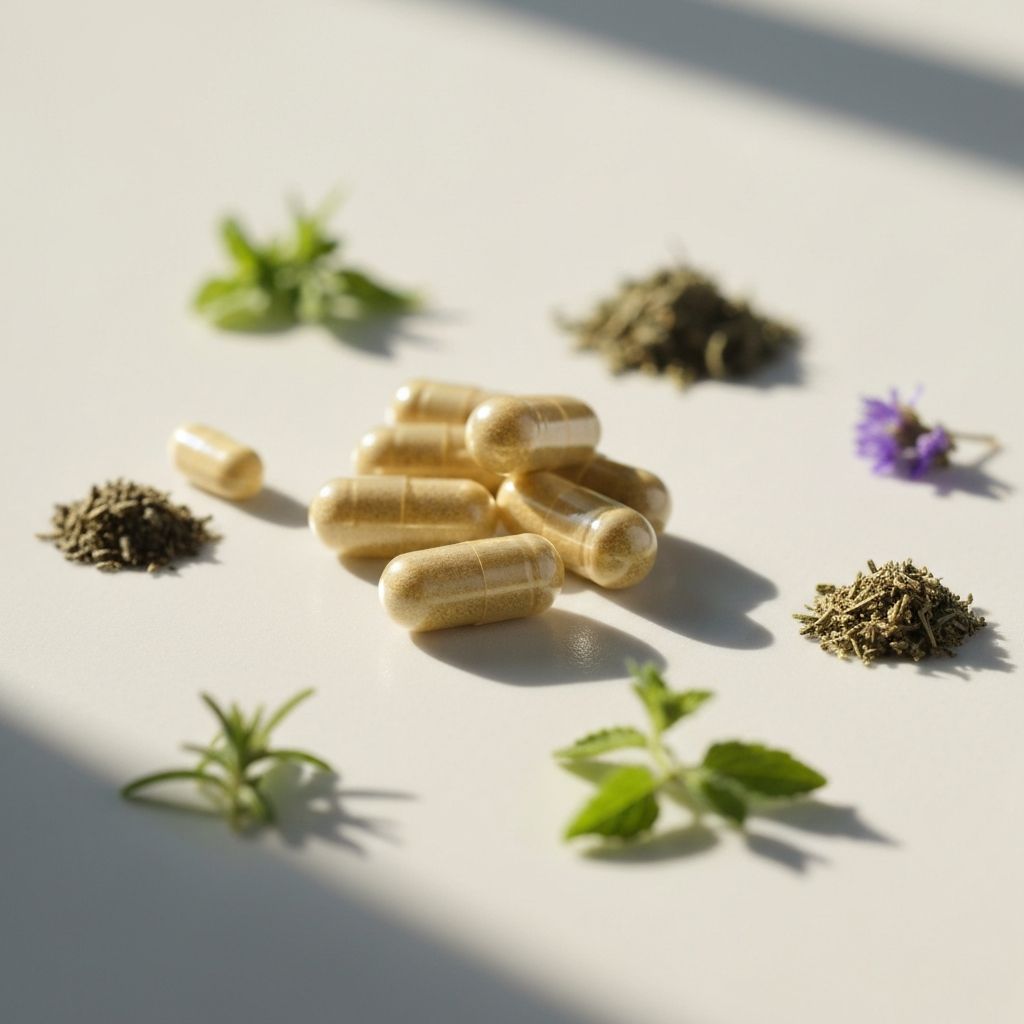
Energy is not just about feeling awake or alert. It's about having the physical and mental resources to meet daily demands, whether at work, at home, or during leisure activities. True vitality comes from multiple sources working together.
At the cellular level, energy production depends on adequate nutrients, proper hydration, oxygen delivery, and the removal of metabolic waste. When any of these factors is compromised, you may notice decreased stamina, difficulty concentrating, or general fatigue.
Several nutritional factors play roles in energy metabolism. B vitamins, for instance, are involved in converting food into usable energy. Magnesium supports hundreds of enzymatic reactions. Iron helps transport oxygen throughout your body. Coenzyme Q10 is present in cellular energy production.
Supporting your energy levels naturally means addressing multiple factors: consistent sleep patterns, regular movement, stress management, adequate hydration, and balanced nutrition. Supplements can complement these efforts but shouldn't replace fundamental healthy habits.
Endurance isn't just for athletes. It's about sustaining your performance throughout the day, maintaining focus during long meetings, having energy for family time after work, and recovering well overnight. Building natural endurance is a gradual process that requires consistency and patience.

Confidence isn't just a personality trait; it's influenced by physiological factors including hormone balance, neurotransmitter function, stress levels, and overall physical wellbeing. When your body feels good, your mind often follows.
Inner balance refers to emotional stability, mental clarity, and the ability to handle daily stressors without becoming overwhelmed. This balance is affected by sleep quality, nutritional status, physical activity, social connections, and how you manage stress.
Certain nutrients play supporting roles in mood regulation and stress response. Omega-3 fatty acids are structural components of brain tissue. Vitamin D receptors are found throughout the nervous system. Magnesium is involved in nerve signal transmission. Zinc supports neurotransmitter function.
Building confidence and maintaining balance requires a holistic approach. Regular physical activity releases endorphins and reduces stress hormones. Adequate sleep allows your brain to process emotions and consolidate memories. Mindfulness practices help you stay present and manage anxiety.
Remember that emotional wellbeing is multifaceted. While nutrition and supplementation can provide foundational support, they work best alongside other healthy practices like maintaining social connections, pursuing meaningful activities, and developing coping strategies for life's challenges.

Men have specific nutritional needs that differ somewhat from women due to physiological differences, typically larger muscle mass, different hormone profiles, and varying metabolic rates. Understanding these differences helps in making informed nutritional choices.
Zinc is particularly important for men as it supports normal reproductive function and helps maintain normal levels of certain hormones. It's also involved in immune function and wound healing. Good dietary sources include oysters, beef, pumpkin seeds, and legumes.
Vitamin D goes beyond bone health. It plays roles in immune function, mood regulation, and maintaining normal levels of various hormones. Many men, especially those who work indoors or live in northern climates, have suboptimal vitamin D levels.
Magnesium is involved in over 300 biochemical reactions in the body. It supports muscle function, nerve transmission, energy production, and helps regulate stress response. Men who exercise regularly may need more magnesium due to losses through sweat.
B vitamins, particularly B6, B12, and folate, support energy metabolism, cognitive function, and the production of red blood cells. They're also involved in maintaining normal homocysteine levels, which is important for cardiovascular wellbeing.
Omega-3 fatty acids, especially EPA and DHA, support cardiovascular function, brain health, and help manage normal inflammatory responses. Since most men don't eat fatty fish regularly, supplementation might be worth considering.

The small choices you make every day have cumulative effects on your overall wellbeing. Daily habits shape your energy levels, mood, physical comfort, and long-term wellness outcomes more than any single supplement or intervention.
Sleep quality is foundational. During sleep, your body repairs tissues, consolidates memories, regulates hormones, and clears metabolic waste from the brain. Aim for consistent sleep and wake times, even on weekends. Create a dark, cool sleeping environment and limit screen time before bed.
Movement throughout the day matters more than a single workout session. While structured exercise is beneficial, avoiding prolonged sitting is equally important. Take short walks, use stairs, stand during phone calls, and stretch regularly. Your body is designed for regular movement, not prolonged stillness.
Hydration affects everything from cognitive function to physical performance. Many men don't drink enough water throughout the day. A good baseline is to drink water regularly, especially before and after physical activity. If your urine is dark yellow, you likely need more fluids.
Stress management is not optional. Chronic stress affects hormone levels, immune function, sleep quality, and mood. Find stress-reduction techniques that work for you, whether that's physical activity, time in nature, creative pursuits, or social connection.
Social connection is a biological need, not a luxury. Men who maintain strong social bonds tend to experience better mental and physical wellbeing. Make time for friendships, family connections, and community involvement.

What you eat directly affects how you feel, perform, and function. Food provides not just calories for energy, but also the building blocks for hormones, neurotransmitters, immune cells, and every tissue in your body.
Protein is particularly important for men. It supports muscle maintenance, provides satiety, and is involved in numerous physiological processes. Aim to include quality protein sources at each meal: eggs, fish, poultry, legumes, dairy, or plant-based alternatives.
Complex carbohydrates provide sustained energy without the crashes associated with refined sugars. Whole grains, vegetables, legumes, and fruits deliver not just energy but also fiber, vitamins, minerals, and beneficial plant compounds. They help maintain stable blood sugar levels throughout the day.
Healthy fats are essential for hormone production, brain function, and the absorption of fat-soluble vitamins. Include sources like olive oil, avocados, nuts, seeds, and fatty fish. Don't fear fats; fear the absence of nutrients that comes with overly restrictive eating.
Meal timing and consistency matter. Skipping meals or eating irregularly can lead to energy crashes, poor food choices, and disrupted metabolism. Eating at consistent times helps regulate your body's internal clock and supports stable energy levels.
Minimize ultra-processed foods. These products are often designed for maximum palatability rather than nutritional value. They typically provide calories without much nutritional benefit and can disrupt normal hunger and satiety signals.


Your breathing pattern directly influences your nervous system. Rapid, shallow breathing activates your stress response, while slow, deep breathing activates your relaxation response. This isn't just metaphorical; it's a measurable physiological shift.
When you're stressed, your sympathetic nervous system dominates, releasing stress hormones and preparing your body for action. Controlled breathing activates the parasympathetic nervous system, which promotes rest, digestion, and recovery.
The beauty of breathing exercises is their accessibility. You don't need equipment, a special location, or much time. You can practice these techniques at your desk, in your car, before important meetings, or when you notice stress building.
Regular practice enhances the benefits. Like any skill, breathing techniques become more effective with consistent use. Even five minutes daily can make a noticeable difference in your baseline stress levels and ability to stay focused.

Box breathing, also called square breathing, is a simple yet powerful technique used by individuals seeking to improve focus and manage stress responses. It involves four equal phases: inhale, hold, exhale, hold.
Start by sitting comfortably with your back straight. Exhale completely to empty your lungs. Then inhale slowly through your nose for a count of four. Hold your breath for a count of four. Exhale slowly through your mouth for a count of four. Hold empty for a count of four. Repeat this cycle for several minutes.
The counting gives your mind something to focus on, which helps interrupt racing thoughts. The equal timing of each phase creates a rhythm that naturally calms your nervous system. With practice, you can extend the count to five or six seconds per phase.
This technique involves inhaling for 4 counts, holding for 7 counts, and exhaling for 8 counts. The extended exhale is key, as it activates your relaxation response more strongly than the inhale. Place your tongue against the ridge behind your upper teeth throughout the exercise.
Practice this technique when you need to calm down quickly, before sleep, or when you notice anxiety building. Start with four cycles and gradually increase as you become more comfortable with the breath retention.
This technique involves systematically tensing and then releasing different muscle groups. Start with your feet and work upward through your body. Tense each muscle group for 5 seconds, then release for 10 seconds, noticing the difference between tension and relaxation.
This practice helps you become aware of physical tension you might not notice otherwise. Many men hold stress in their jaw, shoulders, and back without realizing it. Regular practice can help you catch and release tension before it becomes problematic.
When feeling overwhelmed or anxious, use your senses to anchor yourself in the present moment. Identify 5 things you can see, 4 things you can touch, 3 things you can hear, 2 things you can smell, and 1 thing you can taste.
This technique interrupts anxious thought patterns by directing attention to immediate sensory experience. It's particularly useful during stressful moments or when your mind is racing with worries about the future or regrets about the past.
Take 2-3 minutes to mentally scan your body from head to toe. Notice areas of tension, discomfort, or ease without trying to change anything. Simply observe. This builds body awareness and helps you catch stress signals early.
You can do this sitting at your desk, lying in bed, or standing in line. The key is non-judgmental observation. You're not trying to fix anything, just becoming aware of your current physical state.
Set a timer for one minute. Close your eyes or soften your gaze. Focus on your breath, the sounds around you, or the sensations in your body. When your mind wanders, gently return your attention to your chosen focus. That's it.
One minute might seem brief, but done consistently throughout the day, these micro-breaks add up. They create small islands of calm in your day and train your ability to redirect attention, which is the foundation of stress management.
Your physical environment significantly influences your ability to rest, recover, and maintain wellbeing. Small adjustments to your living and working spaces can yield meaningful improvements in how you feel and function.
Light exposure affects your circadian rhythm, mood, and energy levels. Prioritize natural light exposure during the day, especially in the morning. This helps regulate your internal clock and supports better sleep at night. In the evening, reduce blue light exposure from screens or use filtering options.
Temperature matters for sleep quality. A slightly cool room, typically around 18-20°C (65-68°F), supports better sleep than a warm one. Your body temperature naturally drops as you fall asleep, and a cool environment facilitates this process.
Noise control supports both focus during the day and sleep at night. If you cannot eliminate disruptive sounds, consider white noise machines, earplugs, or background sounds like gentle music or nature sounds to mask intermittent noises.
Create distinct zones for different activities if possible. Use your bed only for sleep, not work or screen time. This helps your brain associate your bedroom with rest rather than alertness. Having clear boundaries between work and relaxation spaces supports better transitions between activity and rest.
Air quality is often overlooked but affects wellbeing. Indoor air can contain various irritants and lack fresh oxygen. Open windows regularly, consider air-purifying plants, and ensure good ventilation, especially in sleeping areas.

An adaptogenic herb used in traditional wellness practices. Men often choose it for supporting stress response and promoting a sense of calm. It has been studied for its potential effects on cortisol levels and overall stress management.
A plant native to Peru, traditionally consumed for energy and stamina. Men interested in natural approaches to vitality often explore maca as part of their nutritional routine. It's available in powder or capsule form.
A plant that has been used in various traditional practices. Some men incorporate it into their supplement routine as part of their approach to maintaining overall vitality and wellbeing.
An herb with a long history of use in cooking and traditional wellness practices. Men sometimes include fenugreek in their nutritional approach as part of their overall wellness routine.
A root used in traditional practices, particularly in Asian cultures. Men often explore ginseng for its potential to support mental clarity and physical stamina during demanding days.
A plant extract that some men include in their wellness routine. It has been traditionally used to support male wellbeing and is often found in formulations designed for men's specific needs.
These are informational suggestions based on commonly chosen supplements. These products are not intended to diagnose, treat, cure, or prevent any condition. Always make informed decisions based on your individual circumstances.
A comprehensive multivitamin formulation designed with men's nutritional needs in mind. Contains B vitamins, vitamin D, zinc, magnesium, and other essential nutrients to support daily energy metabolism and overall wellbeing.
Recommended for: Daily nutritional support
High-quality fish oil providing EPA and DHA fatty acids. Supports cardiovascular function, brain health, and helps maintain normal inflammatory responses. Molecularly distilled for purity.
Recommended for: Cardiovascular and cognitive support
Standardized root extract of this adaptogenic herb. Often chosen by men looking to support their body's stress response and promote a sense of calm and balance during busy periods.
Recommended for: Stress management support
A highly absorbable form of magnesium that supports muscle function, nerve transmission, and energy production. Particularly helpful for men who exercise regularly or experience occasional muscle tension.
Recommended for: Muscle and nerve support
Combines vitamin D3 with vitamin K2 for optimal absorption and utilization. Supports bone health, immune function, and helps maintain normal levels throughout the year, especially during months with limited sunlight.
Recommended for: Bone and immune support
A balanced zinc formulation that supports immune function, reproductive wellbeing, and various metabolic processes. Includes complementary minerals for enhanced absorption and balance.
Recommended for: Immune and metabolic support
Choosing supplements requires thoughtfulness and information. The supplement market is vast and can be overwhelming. Making informed decisions protects both your wellbeing and your wallet.
Start by identifying specific gaps or needs rather than taking everything. Consider your current diet, lifestyle, stress levels, and any specific concerns. Be specific about what you're hoping to support.
Research products and companies. Look for transparency about ingredient sourcing, manufacturing practices, and testing. Reputable companies provide detailed information and stand behind their products with quality guarantees.
Start with one or two supplements at a time rather than beginning ten simultaneously. This allows you to assess how each affects you individually and identify which are actually beneficial for your situation.
Be patient. Unlike pharmaceuticals designed for immediate effects, many nutritional supplements work gradually, supporting normal physiological processes over weeks or months. Expect to give supplements 4-8 weeks before assessing their effects.
Stay informed but skeptical. The supplement industry makes many claims, some supported by research, others less so. Be wary of promises that sound too good to be true or products claiming to replace healthy habits.
Remember that supplements are supplements, not substitutes. They work best as part of a comprehensive approach that includes proper nutrition, adequate sleep, regular activity, and stress management.

"True vitality comes from multiple sources working in harmony. While specific nutrients can support energy metabolism, they work best when combined with adequate rest, regular movement, and effective stress management. I encourage men to think holistically rather than seeking single solutions."
"Pay attention to your energy patterns throughout the day. Do you crash after meals? Wake up tired despite sleeping? Feel foggy in the afternoon? These patterns provide clues about what might need attention, whether that's meal timing, hydration, sleep quality, or specific nutritional support."
"Start with the basics before adding supplements. Most men see significant improvements simply from sleeping consistently, drinking more water, reducing processed foods, and moving regularly. Once these foundations are solid, supplements can provide additional support where needed."
"Change one thing at a time. The all-or-nothing approach often fails. Pick one habit to adjust, stay consistent for a few weeks, then add another change. This builds sustainable practices rather than temporary motivation-driven overhauls that don't last."
"Every man is different. What works wonderfully for your friend or colleague might not work for you. Your genetics, current health status, lifestyle demands, and even gut bacteria influence how you respond to different foods and supplements. Stay curious and observant about your own responses."
"Context matters enormously. A supplement that supports someone with a deficiency might do nothing for someone already adequate in that nutrient. This is why generic recommendations have limited value. Pay attention to your specific situation and needs."
"Wellness is not a destination you reach but a direction you travel. It requires ongoing attention, adjustment, and learning. What serves you well in your 20s may need modification in your 40s. Stay flexible and willing to adjust your approach as your life circumstances and needs change."
"Invest in prevention and maintenance rather than waiting for problems to develop. Supporting your wellbeing consistently is easier and more effective than trying to reverse years of neglect. Small, consistent actions compound over time into significant wellbeing."
Interested in receiving more educational information about natural approaches to men's wellbeing?
Send an information request